
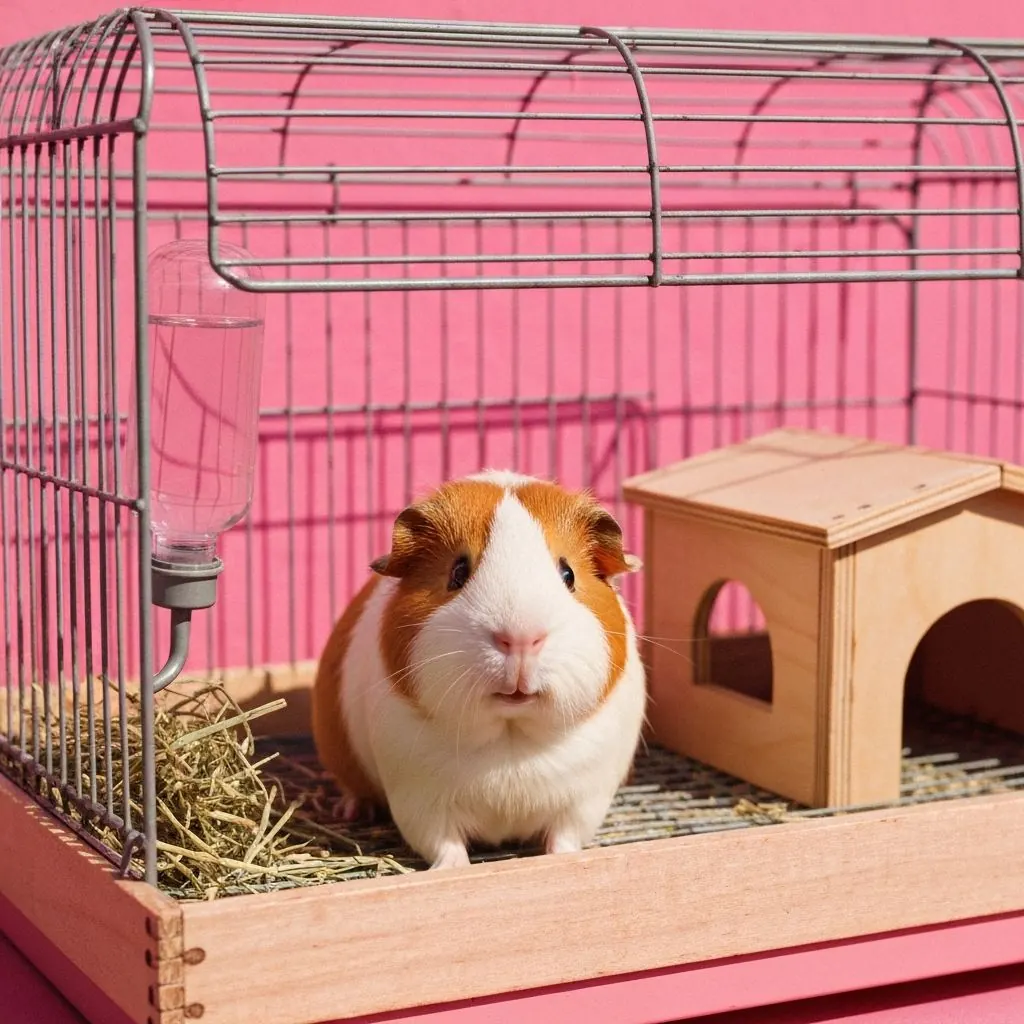
Diarrhoea in Guinea Pigs: What Causes It, What to Do First and When It's Urgent
Diarrhoea in a guinea pig (liquid or very watery stools) needs a same-day call to a vet experienced with guinea pigs, because it causes rapid fluid loss and can deteriorate quickly. Soft, slightly misshapen droppings after a change of food are different: they are common and usually settle within a day on plain hay and water.
What do normal droppings look like?
Healthy guinea pig droppings are plentiful, consistently oval-shaped, firm but not rock-hard, and a dark green-brown colour. A healthy guinea pig produces dozens of droppings a day. Noticing fewer than usual, or any change in consistency, shape, or smell, is worth paying attention to.
There are also two special dropping types that owners sometimes mistake for a problem. Caecotropes (softer, clustered droppings that guinea pigs eat directly from their back end) are completely normal and part of how they absorb nutrients. You may never see them, as most eat them immediately. They are not diarrhoea.
Soft stools versus true diarrhoea
The distinction matters practically. Soft or slightly mushy droppings, particularly after a new leafy green is introduced or after a large serving of watery greens, often resolve within 24 hours once feeding is adjusted. True diarrhoea, where stools are liquid, is a different category of urgency.
| What you see | Likely cause | Action |
|---|---|---|
| Slightly soft, still formed | Too many watery greens, new food | Cut back greens, increase hay. Monitor 24h |
| Mushy, misshapen | Feeding imbalance, stress, new food | Plain hay and water. Vet if no improvement |
| Liquid / watery | Infection, serious gut disruption | Contact the practice today, do not wait |
| Sticky or clumped at back end | Gut imbalance, mobility issue | Veterinary assessment needed |
| No droppings at all | Gut stasis — serious | Vet urgently |
Common causes of loose stools and diarrhoea
Diet-related causes
Too much fresh fruit is a common trigger: the sugar load disrupts the gut bacteria balance. Too many watery greens offered too quickly. An abrupt change of food. Spoiled or mouldy vegetables that were not spotted before feeding. Our guide on fruit treats covers the portions that avoid this.
Infectious causes
Bacteria, parasites, and viruses can all cause it. PDSA lists sudden changes in diet, infections and parasites as the most common causes of stomach upsets, and warns that these upsets can quickly become very serious. Infections tend to produce more acute symptoms: the guinea pig looks genuinely unwell, quiet and uninterested in food. New animals introduced to a group, recent contact with other guinea pigs, or a pig who has been in a rescue or pet shop environment are at slightly higher risk.
Antibiotic-related disruption
Some antibiotics that are safe for other animals are dangerous for guinea pigs because they disrupt the gut flora severely. If your guinea pig is on, or has recently finished, antibiotic treatment and develops loose stools, ring the practice that prescribed them straight away. Do not stop or change a prescribed course on your own; let them decide. This is not a wait-and-see situation.
Stress
Significant stress, such as a house move, a new animal in the home or extreme temperature changes, can affect gut function. Usually mild and short-lived, but worth knowing.
First steps at home
If stools are soft but the guinea pig is still eating, drinking, and active, the immediate response is: remove all fruit and watery vegetables from the diet, ensure hay is available in abundance, and ensure fresh water is accessible. Hay comes first: it provides the long-stem fibre that keeps gut motility and the microbial balance working. Keep the enclosure clean, warm, and quiet; calm, simple care at home gives the gut the best chance to settle.
Check this against your daily diet plan. A menu that was already low in hay and high in fruit or varied vegetables may need a full reset rather than a minor adjustment. Our full feeding guide covers the basics of getting diet right long term.
What not to do
Do not withhold hay, which is the opposite of what helps. Do not offer probiotic yoghurt or other dairy products; dairy is harmful to guinea pigs. Do not give human anti-diarrhoea remedies or anything meant for a dog or cat. The RSPCA advises using only medicines prescribed by a vet, because medicines made for other animals can be dangerous to guinea pigs. Do not wait several days hoping it will resolve itself if the guinea pig looks poorly, is not eating, or has liquid rather than soft stools.
When to get help urgently
Call a practice that is experienced with guinea pigs the same day if: stools are liquid rather than soft; the guinea pig has not eaten in more than a few hours; the animal is lethargic, hunched, or does not respond normally to you; the hind end is soiled and they cannot clean it themselves; or symptoms persist beyond 24 hours without improvement despite dietary adjustment. Read more about warning signs on the health guide.
Small animals dehydrate faster than most owners expect. A guinea pig who develops liquid diarrhoea and then stops eating is at genuine risk within hours, not days. The RSPCA also advises getting veterinary advice at once if droppings reduce or stop, as that can mean the gut has slowed down (gastrointestinal stasis).
Before the appointment, jot down when the problem started, any recent change of food or routine, and whether any cagemates are affected. It saves time in the consulting room.
Keep the back end clean: flystrike risk
Loose droppings stuck to the fur cause a second, separate danger. The RSPCA warns that urine staining and droppings stuck to the rear attract flies and can lead to flystrike, which is often fatal. In warm weather it advises checking the fur and skin around the back end twice a day.
If your guinea pig has a soiled bottom and cannot clean it, that alone is a reason for a same-day call. Gently keeping the area clean while you wait is fine, but the cause still needs treatment.
Prevention
The most reliable prevention is a good baseline menu: unlimited hay, measured pellets, fresh leafy vegetables in sensible portions, and fruit kept to an occasional small treat. PDSA advises that hay and grass should make up 85-90% of what guinea pigs eat, and that any change of food is made slowly, over two to four weeks, to avoid tummy upsets. Introduce new foods one at a time. Wash all fresh food before offering it. Keep the enclosure clean so gut bacteria are not challenged by unhygienic conditions. Quarantine any new animals before introducing them to existing guinea pigs.
More on spotting health problems: guinea pig hair loss, guinea pig eye problems, five-minute daily health check and guinea pig sneezing.
Frequently asked questions
- Can too much lettuce cause diarrhoea?
- Iceberg lettuce in large amounts can contribute to very soft stools because of its high water content. Romaine, green leaf, and other more nutritious varieties are fine in sensible portions. Sudden large quantities of any leafy vegetable can temporarily soften stools.
- My guinea pig had one soft dropping but seems fine. Should I be worried?
- A single soft dropping when everything else is normal is usually not cause for immediate concern. If appetite, energy, and all other droppings are normal, monitor rather than panic. If it continues or the guinea pig seems off, act sooner rather than later.
- How quickly does diarrhoea become dangerous in guinea pigs?
- Liquid diarrhoea can cause dangerous dehydration within hours in a small animal. This is not a condition to monitor overnight. Same-day vet contact is appropriate.
- Should I stop all vegetables when my guinea pig has loose stools?
- For 24 hours, yes — plain hay and fresh water only, no vegetables or fruit. This gives the gut a reset. If stools normalise, reintroduce vegetables slowly, starting with low-water leafy greens.