
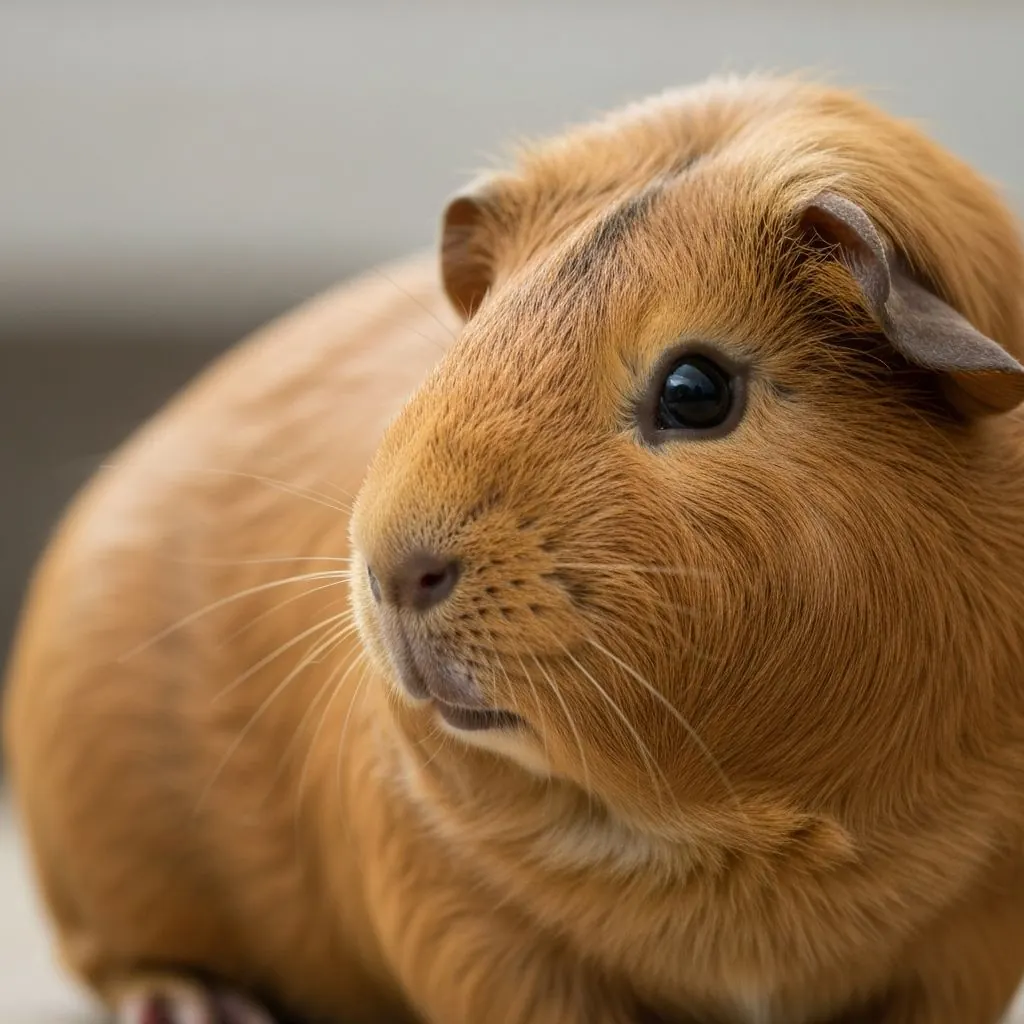
Nail clipping: trim little, often, and without heroics
Quick answer
Key facts
Trim guinea pig nails with small animal clippers, good light, and a calm hold. Take tiny amounts and stop before the quick.
- Nails grow continuously and often need trimming every few weeks.
- Use small-animal nail clippers and styptic powder just in case.
- Dark nails are harder to read — trim smaller amounts more often.
- If you are unsure, a vet nurse can show you the technique.
Nail clipping is one of those jobs that feels terrifying until you have done it a few times calmly. The goal is not a flawless manicure. It is simply to stop nails becoming overgrown, curling, snagging, or changing how your guinea pig stands and walks.
If you are nervous, that is normal. The trick is to make each session small, prepared, and boring.
How often should guinea pig nails be clipped?
Check nails weekly. Like their teeth, guinea pig nails grow continuously, and many pigs need trims every few weeks, though growth rate varies with age, activity, and surface texture. Older pigs often grow thicker, twistier nails that need more regular attention. If nails are starting to curve, catch on fabric, or shift the angle of the foot, do not keep putting it off — overgrown nails change posture and can contribute to sore feet.
What you need
Keep these basics ready:
- small animal nail clippers or baby nail clippers
- a towel
- good light
- a calm helper if available
- styptic powder or plain cornflour in case you catch the quick
Preparation is half the job. Panic starts when you are holding a wiggly guinea pig and still looking for the clippers.
Step-by-step
1. Set up somewhere calm
Sit down somewhere bright and stable. Avoid trying to do nails while standing, hovering, or multitasking.
2. Hold the guinea pig securely
Support the chest and hindquarters. Some pigs feel safer wrapped lightly in a towel with one foot exposed at a time.
3. Look for the quick
On pale nails, the quick is often easier to see. On dark nails, trim tiny slivers at a time and stop early rather than gambling.
4. Clip the very tip first
Small trims are safer than ambitious ones. You can always take another little bit. You cannot unclip a quick.
5. Stay calm if you only manage a few nails
You do not need to win an award for completing the full set in one go. Some pigs do better with front feet one day and back feet another.
6. If you catch the quick
Stay calm. Apply styptic powder or cornflour with gentle pressure, then give everyone a moment to reset. One mistake does not mean you are bad at this.
7. End on a calm note
Offer hay, favourite greens, or a quiet cuddle if your pig enjoys that. The goal is for nail day to feel manageable, not like a household emergency.
Tips for dark nails and difficult feet
Dark nails can be harder to read, so extra light helps. Trimming more often keeps the quick shorter and the task easier over time. If your guinea pig twists, kicks, or becomes distressed:
- stop before it escalates
- use a helper next time
- try a towel wrap
- aim for smaller, more frequent sessions
When to ask a professional
There is no shame in getting help. Ask a vet or vet nurse to demonstrate if:
- you are unsure where the quick is
- nails are already badly overgrown
- the feet are twisted or sore
- your guinea pig becomes very stressed
- you want a live demo before doing it alone
Learning from a calm professional once can make home trims much easier forever.
Frequently asked questions
- How often should guinea pig nails be clipped?
- Often every 3 to 6 weeks, but check regularly because growth rate varies by pig and lifestyle.
- What if I cut the quick?
- Stay calm, apply styptic powder or cornflour to stop bleeding, comfort the pig, and trim more cautiously next time.
- Can I use human nail clippers?
- Small animal clippers are safer and give better control. Human clippers can crush or slip on guinea pig nails.
- My guinea pig hates nail clipping. What can I do?
- Practise short handling sessions, trim one or two nails at a time, use a towel wrap if helpful, or ask a professional for help.