
Can Guinea Pigs Eat Tomatoes? A Safe Feeding Guide
Quick answer
Key facts
Yes — guinea pigs can eat fully ripe tomato fruit in small, occasional portions. Never offer leaves, stalks, vines or unripe green tomatoes. Keep hay as the foundation of the diet.
- Only ripe tomato fruit is safe; green plant parts are not.
- Serve a small wedge or a few bite-sized pieces, not every day.
- Wash thoroughly and remove all attached green material first.
- Tomato adds vitamin C and moisture, but not the fibre hay provides.
Yes, guinea pigs can eat tomatoes, as long as the fruit is fully ripe, prepared correctly and given in a modest portion. The leaves, stalks, vines and unripe fruit are a different matter and should stay well away from the cage.
Tomatoes provide vitamin C and moisture, but they should be an occasional addition to a balanced menu built mainly around hay, suitable vegetables and species-specific pellets. For a wider produce list, see best vegetables for guinea pigs and the main feeding guide.
Fully ripe only
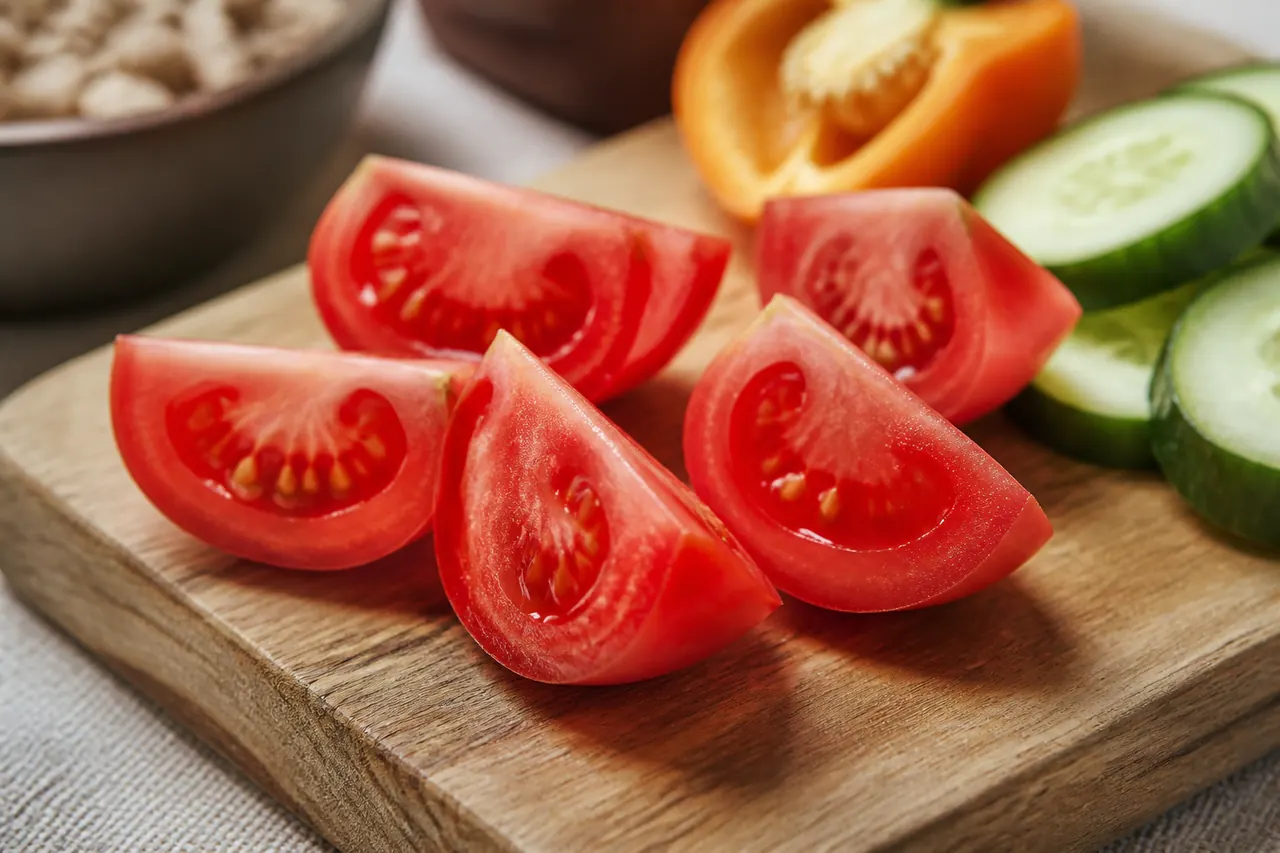
Fully ripe flesh can be an occasional treat — leaves, stalks and vines stay out of the enclosure.
Vitamin C bonus
It contributes vitamin C and moisture, but it should never replace hay or everyday greens.
Keep servings modest
A wedge or a few bite-sized pieces is enough; acidity means daily servings are rarely a good idea.
Are Tomatoes Good Food for Guinea Pigs?
What they contain
Tomatoes can be a useful addition to the fresh vegetables you rotate through your guinea pig's bowl. They contain vitamin C, potassium, water and antioxidants while being relatively low in calories. The red colour comes largely from lycopene, an antioxidant — though your guinea pig will remain unmoved by this and judge the wedge entirely on texture.
Vitamin C
Vitamin C matters because guinea pigs are unable to produce it naturally. They must obtain enough through food every day. It can contribute to that intake, although it should not be relied on as the main source. Bell peppers and suitable leafy greens can provide additional vitamin C and variety — covered in our vitamin C guide.
The high water content of tomatoes can also make them refreshing, but they do not provide the fibre needed to keep the digestive system working properly, which is why the rack of long fibre should stay full throughout the day.
Water and acidity
Tomatoes are also naturally acidic. Sometimes pigs may develop mouth irritation or digestive discomfort if they receive too much, which is why moderation matters.
Which Parts of Tomato Are Safe for Guinea Pigs?
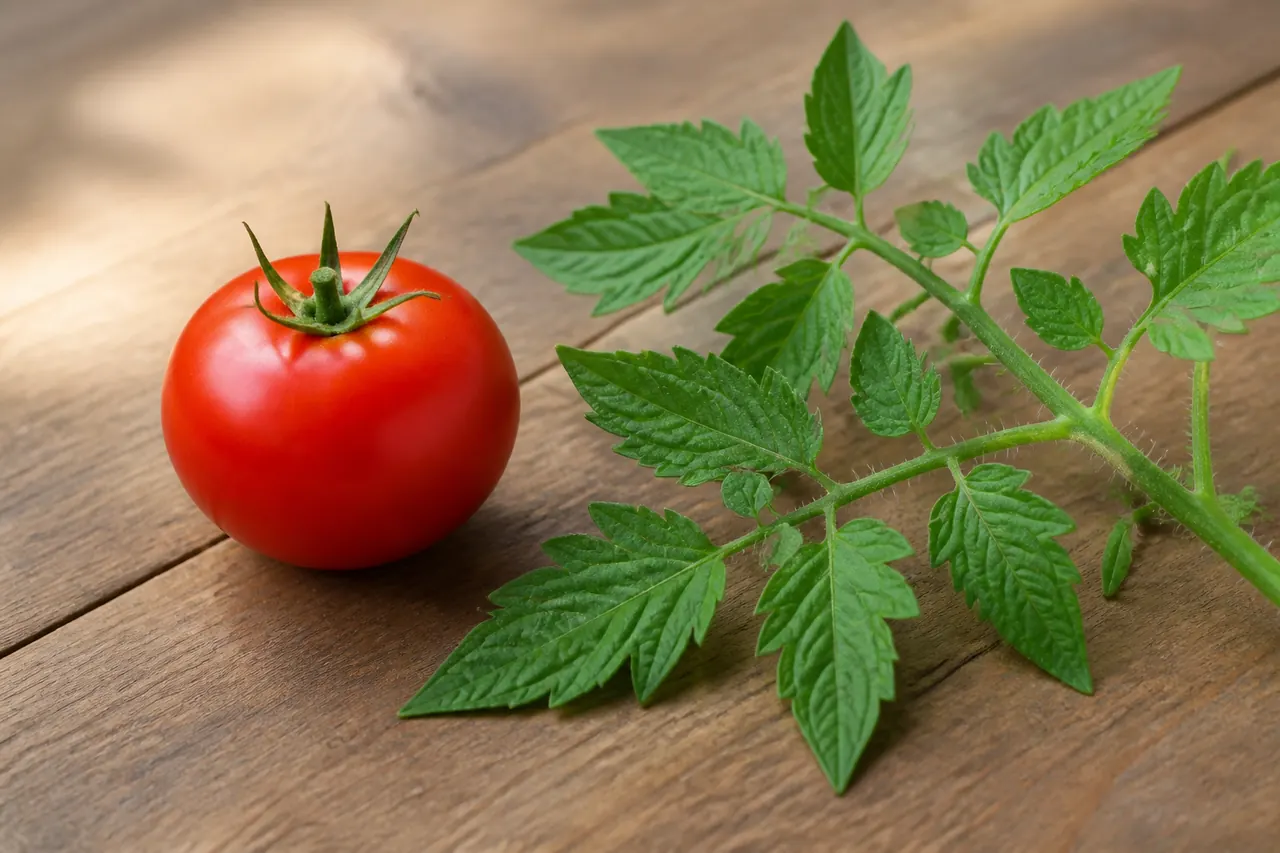
Knowing which part to give matters because the ripe flesh and the green parts of the plant are not treated in the same way.
The ripe flesh
Once ripened, the flesh is suitable for an occasional serving. Wash it thoroughly and remove all attached green material first. The tiny seeds inside a ripe tomato can remain in the flesh and do not normally need to be removed.
Leaves, stalks and vines
The only safe part you should intentionally give is the ripe flesh. Never offer tomato leaves or stalks, vines or other green material from the plant — as a nightshade, the green parts contain solanine and related compounds that are toxic to guinea pigs. This matters most if you grow tomatoes at home, where a curious piggy could potentially reach the plant.
Unripe green tomatoes
You should also avoid unripe ones. Keep the plant itself outside the enclosure and remove any green material attached to the fruit before serving.
Cherry and grape varieties
Cherry and grape tomatoes can be offered when completely ripe, but their smaller size does not mean an entire one is automatically the right portion. Cut them into manageable pieces before serving.
Cooked and processed tomato
Fresh is a better choice than cooked or processed options, which may contain salt, onion, garlic, oils or seasonings unsuitable for a guinea pig. As a small animal can be sensitive to sudden dietary changes, introduce new ingredients gradually and monitor their appetite and droppings.
| Part | Guidance |
|---|---|
| Fully ripe flesh | Safe in tiny, occasional amounts |
| Tiny seeds in ripe flesh | Can stay; no need to remove |
| Cherry / grape tomatoes | Only when fully ripe; cut into bite-sized pieces |
| Leaves, stalks, vines | Do not feed |
| Unripe green tomatoes | Do not feed |
| Cooked / seasoned tomato dishes | Avoid — salt, oils and additives |
The Nightshade Business, Briefly
Tomato's complicated reputation makes more sense once you know its relatives. It belongs to the nightshade family, alongside potatoes and aubergines — a group of plants famous for producing perfectly good food on one part while keeping genuinely unpleasant compounds in another.
In this plant's case, those compounds are concentrated in the green material: leaves, stems, vines and unripe tomatoes. As it ripens fully, the levels drop away, which is why a red, ripe one is treated so differently from the plant it grew on. The rule of thumb is blunt but reliable: the redder and riper, the safer; the greener, the further from the enclosure it belongs.
This is also why generalising from one nightshade to another is a mistake. Potato plants, sprouting potatoes and aubergine foliage all carry their own versions of the same problem, so each new item of fresh food deserves its own safety check rather than a hopeful assumption.
How Much Tomato Can You Give a Guinea Pig?
Portion size
A little piece is enough. For a healthy adult, one thin wedge or a couple of bite-sized pieces can provide variety without allowing it to dominate the vegetable portion.
How often
There is no need to give it every day. Guinea pigs are able to enjoy many different suitable vegetables, so rotating what you offer provides greater nutritional variety.
If you avoid feeding tomatoes too frequently, there is also less chance of their acidity causing irritation in a sensitive pig. A guinea pig that shows loose stools, discomfort or irritation around the mouth after eating tomato should not be given another serving until the cause is clear.
- Choose a fully ripe oneUse red, ripe ones only — skip unripe ones and anything still attached to the plant.
- Strip all green materialWash thoroughly and remove leaves, stalks and any green bits before cutting a modest portion.
- Offer occasionally and watchServe a thin wedge, then monitor appetite and droppings before offering tomato again.
The wider feeding routine should include unlimited good-quality hay, an appropriate amount of guinea pig pellets, fresh vegetables and clean drinking water. Hay matters most because its fibre supports normal digestion and helps wear down continuously growing teeth — see what guinea pigs should eat every day.
If your guinea pig stops eating, develops persistent diarrhoea, becomes unusually quiet or appears unwell after trying something new, contact a vet. Loss of appetite can become serious quickly in these animals — use the health guide for urgent signs.
Introducing Tomato Gradually
The boring pet advice applies here as much as anywhere: one new thing at a time. If the bowl already contains two unfamiliar ingredients, adding a third on the same day tells you nothing when something disagrees with someone.
Start with a single thin wedge from a fully ripe tomato, washed and stripped of every scrap of green. Offer it at a calm moment, then do nothing dramatic for a day or two beyond the usual watching: appetite, droppings, and the skin around the mouth. Tomato's acidity is the most likely culprit if irritation appears, and moderation from the outset keeps most problems theoretical.
If all is well, it can join the rotation of occasional extras — the same shelf as fruit and other sweeter extras rather than the everyday greens. A pig that has previously had mouth sores, digestive trouble or a delicate stomach is a case for asking your vet first rather than experimenting; sensible caution costs nothing, and this species hides discomfort well.
Should Guinea Pigs Eat Tomatoes as Part of Their Diet?
Tomato should be viewed as one ingredient within a much broader feeding routine. The foundation is fibre-rich hay or grass, which should be available throughout the day.
Fresh vegetables can then provide additional nutrients and variety. Bell pepper, cucumber and selected leafy vegetables can all play different roles in the rotation. Introducing several suitable options also prevents one favourite from becoming the entire fresh portion.
When considering any plant that guinea pigs can eat, remember that different parts of the same plant may not have the same safety profile. This plant is a good example because the ripe flesh can be given while its leaves and stems should not.
Fruit and sweeter vegetables are better kept as occasional treats. Carrots, for example, can be included in less quantities rather than becoming an everyday staple. Occasional fruit ideas are covered in best fruits for guinea pigs.
Cucumber and ripe tomato can be served as part of the same vegetable selection. Both contain plenty of water, however, so balance them with fibre-rich ingredients rather than filling the bowl entirely with watery produce.
None of this requires a spreadsheet. Two or three familiar vegetables each day, one sweeter extra a couple of times a week, and the red wedge taking its turn among them is structure enough for any household.
As with other little pets, some common foods that are perfectly suitable for people are not appropriate for guinea pigs. Onion, garlic and seasoned dishes should not be offered.
Tomato can therefore be a simple way to introduce a little extra variety. Keep the portion controlled, use only fully ripe tomatoes and keep hay as the foundation. Combined with appropriate vegetables, pellets, fresh water and proper care, this approach helps support a healthy and happy guinea pig.
More on veg and fruit: best vegetables for guinea pigs, best fruits for guinea pigs, can guinea pigs eat peppers and can guinea pigs eat peaches.
Frequently asked questions
- Are tomato seeds safe?
- Yes. The tiny seeds naturally contained within fully ripe tomato flesh can be eaten with the fruit. There is generally no need to remove them before serving a portion.
- Can cucumber and tomato be served together?
- Yes. A little cucumber can be served alongside ripe tomatoes. Both are water-rich vegetables, so they should complement rather than replace the fibre supplied by hay.
- What vegetables should be avoided?
- Onion and garlic should not be offered. Green tomato plant material should also stay out of reach. Always check an unfamiliar vegetable or plant before adding it to the diet, as different parts may have different safety considerations.
- What happens if a tomato leaf is accidentally eaten?
- Remove the remaining plant material immediately and seek professional guidance, especially if you do not know how much was consumed. Quantity matters — a nibbled leaf edge is a different situation from a stripped plant — but this is not one to wait and see on your own. Watch closely for reduced appetite, digestive changes, unusual behaviour or other signs of illness.