
Can Guinea Pigs Eat Carrots? How Much, How Often and Why
Quick answer
Key facts
Guinea pigs can eat carrots, but only as a small treat. The RSPCA lists small pieces of carrot under foods to give in small amounts a few times a week, because of their sugar, and PDSA groups carrot with fruit for the same reason. A thin coin or two per pig, a few times a week at most, is enough.
- RSPCA: “small pieces of carrot” are a treat, given in small amounts a few times a week.
- PDSA: carrot is fed like fruit, in very small amounts, because it is high in sugar.
- The cartoon rabbit diet does not apply. Hay is the main food: 85 to 90% of the diet, says PDSA.
- Wash carrots well; there is no need to peel them.
Yes, guinea pigs can eat carrots, but as a treat rather than a daily vegetable. The RSPCA puts small pieces of carrot in its “as a treat” group, to be given a few times a week, and PDSA advises feeding carrot in very small amounts because it is high in sugar. A thin slice or two per pig is a sensible portion.
Carrots have a reputation, mostly thanks to cartoon rabbits, as the natural food of anything with whiskers. Guinea pigs are happy to go along with this. Their teeth and tummies are better served by hay.
Carrot is a popular vegetable choice with owners, partly because it is cheap, keeps for weeks in the fridge and is always in the house. Most guinea pigs agree with the choice. The catch is that their bodies are built for a diet of grass and hay, and a sweet orange root is closer to a pudding than a salad. Below is how sweet it really is, the forms worth avoiding, and how a coin of it fits into a week of meals.
Why carrots are a treat food
The RSPCA sorts guinea pig vegetables into foods they can eat often, foods to give as a treat, and foods they can't eat. Carrot is in the middle group, alongside broccoli, spinach and kale, with the explanation that high sugar or calcium content can cause health issues if these are fed too much.
PDSA goes a step further and lists carrot with fruit, to be given “in very small amounts because fruit is high in sugar”. The two charities differ slightly on frequency: the RSPCA says a few times a week, PDSA suggests treats once every week or two. If you want one rule, use the smaller of the two and keep carrot occasional.
How sweet is carrot compared with other veg?
Neither charity puts a number on it, so we looked up the sugar figures in USDA FoodData Central, the US government's nutrient database. All figures are for 100 g of the raw food, from its SR Legacy data. They are a guide to how the foods compare, not a recipe.
| Food (raw) | Sugars per 100 g | Vitamin C per 100 g |
|---|---|---|
| Parsley | 0.85 g | 133 mg |
| Romaine lettuce | 1.19 g | 4 mg |
| Celery | 1.34 g | 3.1 mg |
| Cucumber, with peel | 1.67 g | 2.8 mg |
| Green pepper | 2.4 g | 80.4 mg |
| Red pepper | 4.2 g | 127.7 mg |
| Carrot | 4.74 g | 5.9 mg |
| Strawberry | 4.89 g | 58.8 mg |
| Apple, with skin | 10.39 g | 4.6 mg |
Two things stand out. Carrot has roughly three times the sugar of cucumber, three and a half times that of celery and four times that of romaine, and it is almost level with strawberry, which explains why PDSA files it with fruit. Apple is sweeter again, so a slice of apple and a coin of carrot on the same day is a double treat.
Red pepper is nearly as sweet as carrot, yet the RSPCA lists bell peppers among the foods to give often. The difference is what comes with the sugar. Guinea pigs cannot make their own vitamin C, PDSA explains, so it has to come from their diet, and red pepper carries more than twenty times as much as carrot. If you want the everyday pepper with the least sugar, green has a little over half the sugar of red and still a generous dose.
How much carrot can a guinea pig have?
- Portion: one or two thin coins, or a piece about the size of your thumbnail, per pig.
- How often: a few times a week at most (RSPCA), or less (PDSA).
- New pigs: start with one tiny piece and watch the droppings for a few days.
Do I need to peel them?
No. Wash the carrot well to remove soil and cut a thin slice. Peeling makes no difference to the sugar, and how much you cut is what matters.
Can guinea pigs eat carrot tops?
The RSPCA and PDSA guidance we checked does not mention carrot tops either way. Many owners feed the leafy tops as a green. If you do, wash them, offer a little and introduce them gradually like any new food.
The feathery leaves and the orange root are different foods, so the root's treat rules do not automatically carry over to the greens. Without charity guidance to lean on, offer the tops now and then as one green among several, and keep the bulk of the bowl to the leafy greens the RSPCA does list. Bunched carrots with the tops still attached are the usual way to get them; trim away anything yellowed or slimy first.
Baby, cooked and dried carrot
Baby carrot
Baby ones are just as sweet. USDA FoodData Central lists raw baby carrots at 4.76 g of sugars per 100 g, against 4.74 g for regular raw carrot. The risk is the portion: one whole baby carrot is far bigger than the coin a pig needs, so slice it rather than handing it over whole.
Cooked carrot
Boiled carrot has slightly less sugar per 100 g (USDA gives 3.45 g, mainly because it soaks up water), but that does not make it a better choice. Leftovers from a human plate often come with butter, salt or gravy, and the RSPCA and PDSA lists are built around fresh, raw vegetables. Stick to raw carrot and keep the roast dinner for the humans.
Dried carrot and carrot treats
Drying takes the water out and leaves the sugar behind. USDA lists dehydrated carrot at 38.82 g of sugars per 100 g, about eight times the raw figure, so a handful of dried chips is a much bigger dose than it looks. PDSA warns that shop-bought treats tend to be very high in sugar and bad for guinea pigs' teeth and tummies. A thin slice of fresh carrot does the same job with far less sugar.
Introducing carrot for the first time
The RSPCA advises avoiding sudden changes in diet and introducing new foods gradually, and PDSA says to go slowly with any first-time food to prevent tummy upsets. For carrot, that looks like this:
- Offer one thin coin each, washed, on a day with no other treat.
- Watch droppings and appetite over the next two or three days.
- If all is normal, carrot can join the treat rotation at the usual portion.
- If droppings change or a pig goes off its food, stop and call a vet if it does not settle.
Some pigs are not interested at all. That is fine; nothing in carrot is missing from a diet of hay, pellets and everyday veg.
Fitting carrot into a week's menu
Once a week is enough for most pigs if you follow PDSA's once every week or two, and the RSPCA's limit is the most to aim for. Either way, carrot takes the place of another treat on its day, so the total stays the same. A sample week for two pigs might look like this:
- Every day: unlimited hay, a measured portion of plain pellets, fresh water and about a cup of mixed veg each.
- Daily veg rotation: pepper, romaine, cucumber, celery and parsley, five or six types across the week.
- One day: a coin of carrot each, and no fruit that day.
- Another day, if you like: a sliver of strawberry or apple instead of carrot, never both.
Cut the carrot just before serving and clear away anything left uneaten, along with any wilted veg, at the end of the day.
Signs of too many sweet treats
No single symptom says “too much carrot”, but a few patterns suggest treats have crept up:
- Weight creeping up. PDSA says weight gain could be a sign you are overfeeding fresh food or pellets, and recommends weighing guinea pigs regularly. Kitchen scales, same time each week, written down.
- Hay left in the rack. Anyone holding out for the sweet stuff eats less of the hay that the RSPCA says their digestive systems need to work properly.
- Tummy trouble. Soft or unusual droppings after a treat mean cut it out. PDSA warns that a tummy upset can stop a guinea pig eating, which is very serious; one that refuses food needs a vet promptly.
- Shouting at the fridge. Not a medical problem in itself, but a sign of who has been training whom.
The RSPCA puts it plainly: guinea pigs become overweight and may suffer if they eat more than they need. Good health comes from the boring basics, so if the scales are moving, trim the treats first.
What to feed most days instead
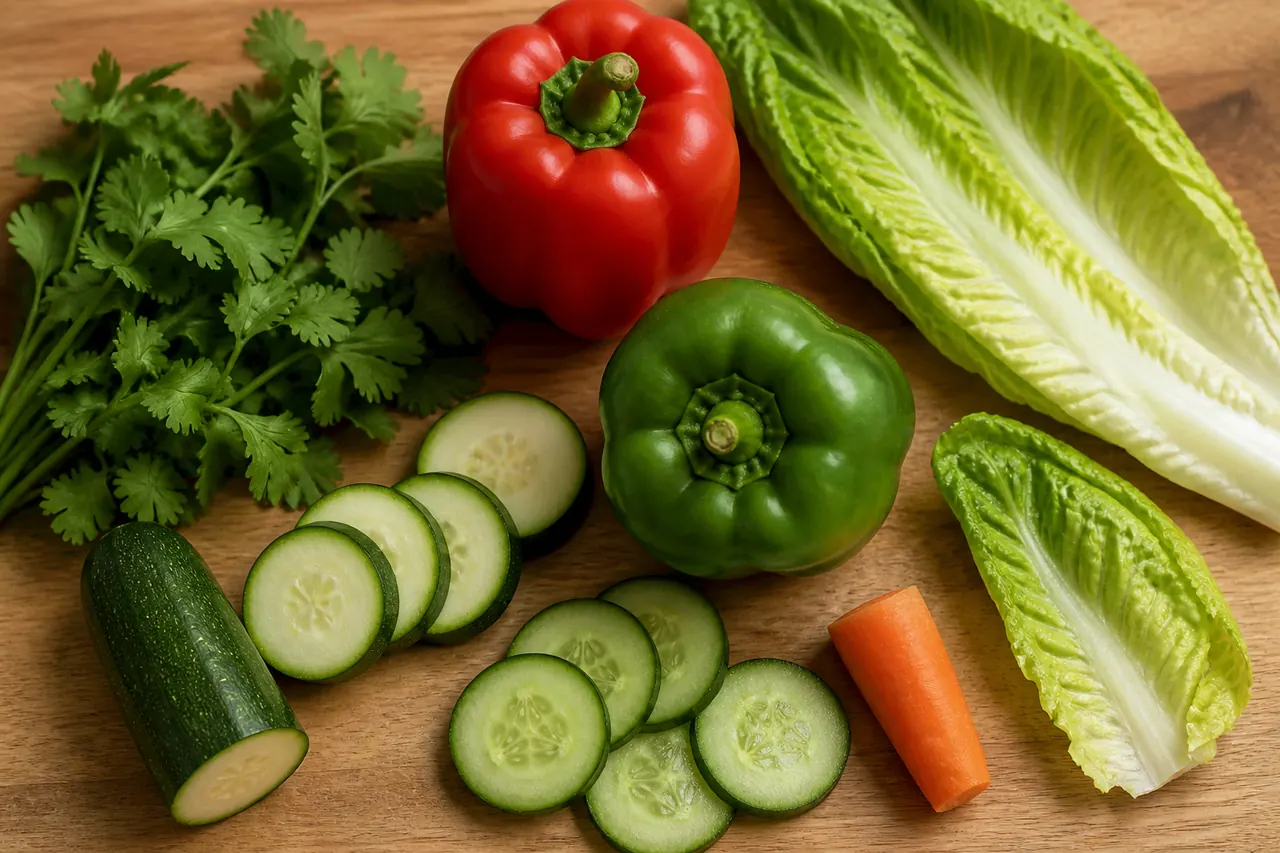
The everyday veg should come from the RSPCA's “can eat often” group: bell peppers, cucumber, celery, parsley, gem and romaine lettuce. PDSA suggests about one cup of fresh vegetables, greens and forage a day, from at least five or six different types, alongside unlimited hay.
See can guinea pigs eat cucumber, the best vegetables for guinea pigs and our feeding guide for the everyday options.
More on everyday veg: can guinea pigs eat cucumber and can guinea pigs eat broccoli.
Frequently asked questions
- Are carrots OK every day?
- No. Carrots are high in sugar, so the RSPCA lists them as a treat and PDSA advises feeding only a little. Feed everyday vegetables such as bell peppers and romaine instead.
- How much carrot can I give my guinea pig?
- One or two thin slices per pig, and not every day. Treat it like fruit and count it towards the treat allowance.
- Should carrot be fed raw or cooked?
- Raw. Wash the carrot well and cut a thin slice. Never feed cooked or seasoned vegetables.
- Is carrot peel safe?
- Yes. There is no need to peel carrots for guinea pigs; just wash them well first.
- Are carrots safe for baby guinea pigs?
- Only tiny pieces once they are eating solid food, and only occasionally because of the sugar. Ask a vet if you are unsure about a young pig.
- Why do some people say carrot is bad for guinea pigs?
- They can have carrot, just not much. Carrot is high in sugar, which is why the RSPCA lists it as a treat and PDSA feeds it like fruit.
- Which vegetables are fine every day?
- The RSPCA lists parsley, celery, bell peppers, cucumber, gem lettuce and romaine lettuce as vegetables guinea pigs can eat often, rotated daily.
Sources
- RSPCA, A healthy diet for guinea pigs (checked 14 November 2026).
- PDSA, Your guinea pig's diet (checked 14 November 2026).
- USDA, FoodData Central, SR Legacy data (per 100 g): carrots, raw (FDC ID 170393); carrots, baby, raw (168568); carrots, cooked, boiled, drained, without salt (170394); carrot, dehydrated (170500); parsley, fresh (170416); lettuce, cos or romaine, raw (169247); celery, raw (169988); cucumber, with peel, raw (168409); peppers, sweet, green, raw (170427); peppers, sweet, red, raw (170108); strawberries, raw (167762); apples, raw, with skin (171688) (checked 19 November 2026).