
Can Guinea Pigs Eat Broccoli? Portions, Stalks, Leaves and More
Quick answer
Key facts
Yes, but as a treat veg. The RSPCA puts it in the group to give a few times a week, and PDSA warns that too much can cause wind. A little piece from the crown or a slice of stalk per pig, raw and washed, a few times a week, is plenty.
- RSPCA: a treat item, given sparingly a few times a week, because of high sugar or calcium content.
- PDSA: too much can cause wind, so never let it dominate the bowl.
- Florets, stalks and leaves can all be offered; USDA lists the same nutrient figures for all three.
- Serve it raw and plain. Boiling cuts its vitamin C by about a quarter, per USDA figures.
Yes, guinea pigs can eat broccoli, but as a treat rather than an everyday green. The RSPCA puts it in its “as a treat” group, to be given in small amounts a few times a week, and PDSA notes it can cause wind in large amounts. A thumbnail-sized piece of floret or a thin slice of stalk per guinea pig, raw and washed, is a sensible portion.
Ask “can guinea pigs eat broccoli?” online and the favourite answer, “yes, in moderation”, is true but about as useful as a chocolate teapot. Here is what that looks like in practice: how big a piece, how often, which parts to use and what to put next to it.
Why the RSPCA treats it as a treat
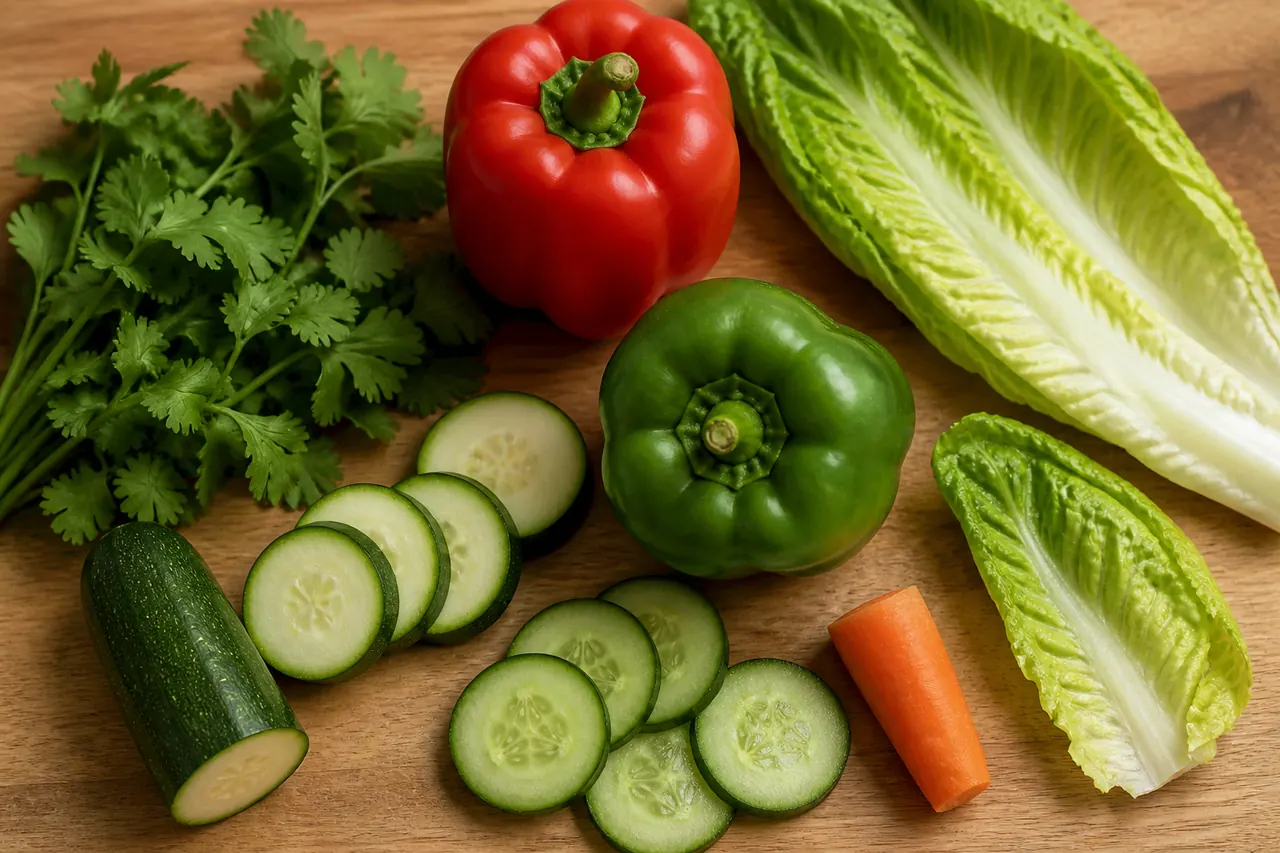
The RSPCA sorts fresh veg for guinea pigs into three groups: things they can have often, things to give as a treat, and things they must avoid. The often group is parsley, celery, bell peppers, cucumber, gem and romaine. The little green trees sit in the middle group alongside spinach, kale, little pieces of carrot and a quarter of an apple, with the explanation that “their high sugar or calcium content can cause health issues”.
So it is a guinea pig-safe food with a portion limit, nowhere near the avoid group. Wood Green, the pet charity, includes it among the garden and kitchen veg these animals can have, next to sprouts, cabbage, curly kale and spring greens. PDSA does not place it on its unsafe lineup either. The point all three agree on is variety: no single plant should take over the bowl.
Vitamin C, calcium and sugar compared
Guinea pigs cannot make their own vitamin C, PDSA explains, so it has to come from what they have each day. The figures below come from USDA FoodData Central, the US government's nutrient database, using its SR Legacy data for 100 g of each raw item.
| Raw, per 100 g | Ascorbic acid (C) | Calcium | Sugars |
|---|---|---|---|
| Broccoli | 89.2 mg | 47 mg | 1.7 g |
| Kale | 93.4 mg | 254 mg | 0.99 g |
| Parsley | 133 mg | 138 mg | 0.85 g |
| Spinach | 28.1 mg | 99 mg | 0.42 g |
| Green pepper | 80.4 mg | 10 mg | 2.4 g |
| Romaine lettuce | 4 mg | 33 mg | 1.19 g |
| Cucumber, with peel | 2.8 mg | 16 mg | 1.67 g |
A few things stand out. Its sugar is low, close to cucumber and below green pepper, so sweetness is not the reason it sits in the treat group. Its calcium is moderate: about three times cucumber and well above green pepper, yet far below kale and parsley. The MSD Veterinary Manual puts an adult guinea pig's requirement at 10 to 25 mg of ascorbic acid per kg of body weight a day, and 10 g of raw florets carries about 9 mg, which is why a little goes a long way.
It is also not the only source in the bowl. The RSPCA says a fresh daily portion of grass-based pellets will provide essential vitamin C, and PDSA recommends one tablespoon of pellets per adult a day. Between pellets, peppers and herbs, a healthy herd does not need a treat food to hit its daily target.
The RSPCA does not say which of its two reasons applies to which item. Our reading is that the calcium, plus the wind PDSA mentions, is what earns these florets their place among the treats. PDSA adds that most healthy guinea pigs get the right calcium from a balanced mix of veg and leaves, and that any guinea pig with a urinary or bladder problem affected by calcium needs a vet's advice on what goes in the bowl.
How much broccoli for guinea pigs?
- Portion: one piece from the crown about the size of your thumbnail, or a thin coin of peeled stalk, per animal. A whole spear is several days' worth.
- How often: the RSPCA says treat-group items can be given in small amounts a few times a week. Two or three days a week, with a gap between, works well.
- Share of the bowl: one item among several. PDSA's vets suggest about one cup of fresh veg, greens and forage per guinea pig a day, from at least five or six different types.
Wood Green suggests a diet of roughly 85% hay, 10% fresh greens and vegetables and 5% pellets. Seen that way, a sprig of florets is a tiny share of a tiny share, and the hay rack is where the real work happens. On the days in between, the bowl comes from the “often” group instead.
Let's be honest, most of what guinea pigs get from the head is the stalk end nobody else in the house wanted, and that is perfectly fine.
Florets, stalks and leaves
Every part of the plant above ground can go in the bowl. USDA's separate entries for the flower clusters, stalks and leaves all carry the same figures (93.2 mg of ascorbic acid and 48 mg of calcium per 100 g), so the database does not separate them. Treat each part the same way: a modest amount, a few times a week, and never all three on the same day.
Florets
The bushy tops are the part most people picture. Cut one little piece from the crown rather than offering a large section, because a big cluster is much more than one portion. Rinse it well and shake off the water.
Broccoli stems and stalks
The thick stalk is just as usable. Peel off the tough outer skin if it is woody, then cut a thin coin or a short baton. Count it as part of the same treat allowance; a sprig of florets and a slice of stalk on the same day is a double portion.
Broccoli leaves
The big flat leaves are rarely sold in UK supermarkets, but you may come across them on home-grown plants or at farm shops. They are safe to offer in modest amounts, washed and fresh. Expect some piggies to shred the leaves and ignore the crown entirely, which at least saves you a decision.
Raw, cooked or frozen?
Always feed broccoli raw. The charity guidance is built around fresh veg, and raw keeps the most vitamin C. USDA's figures per 100 g show how preparation changes things:
- Fresh, raw: 89.2 mg
- Boiled, without salt: 64.9 mg
- Frozen and chopped, straight from the bag: 56.4 mg
- Frozen, then boiled: 40.1 mg
Cooked broccoli
Leftovers from a human plate are a poor swap. Boiling cuts the C content by about a quarter and softens the texture, and dinner leftovers often come with butter, salt or cheese sauce. Keep the Sunday roast veg for the humans and give your guinea pig raw pieces instead.
Frozen florets
Frozen broccoli has less ascorbic acid than fresh before you even cook it, and once thawed the florets turn into soggy green sponges that sit wet in the bowl. Frozen bags are handy for us, but fresh is the better choice for them. If frozen is all you have in, skip the treat that day and use something from the “often” group.
Sprouts, cauliflower and cabbage
Two different things get called sprouts. Brussels sprouts, the mini cabbages, appear on Wood Green's lineup of veg guinea pigs can have, and they belong in the same occasional, modest-portion slot.
Broccoli sprouts, the tiny seedlings sold in punnets, are another matter. None of the charity guides we checked mention them, and USDA's SR Legacy data has no entry for them, so we have no figures or guidance to pass on. Until there is some, we would leave them out; there are plenty of everyday greens to choose from.
The white-headed cousin sold next to it in every supermarket is on Wood Green's lineup too, and it behaves much the same way, with the same wind risk as the rest of the cabbage family. Cabbage is the one PDSA names alongside our green friend for causing wind, so give these as a rotating guest, one per day, rather than several on the same plate.
Wind, bloating and tummy upsets
PDSA advises against too much of any one type of veg, because “some, like cabbage or broccoli, can cause gas if fed in large quantities”. That is the main practical reason to keep portions modest and to avoid serving it alongside cabbage on the same day.
Trouble tends to come from quantity: a large handful, several brassicas in one bowl, or a sudden change in what they get. Keeping to small quantities and one new item at a time makes it easy to tell what caused any change.
Introducing it to your guinea pigs
The RSPCA advises avoiding sudden changes in their diet and introducing new items gradually, and PDSA says to go slowly with anything offered for the first time to prevent tummy upsets. In practice:
- Offer one tiny sprig or sliver of stalk each, washed, on a day with no other treat.
- Watch droppings, appetite and hay intake over the next two or three days.
- If all is normal, add it to the rotation at the usual portion a few times a week.
- If droppings change or anyone seems off, stop and call a vet if it does not settle.
Take extra care if one of your herd already has a health problem, a sensitive tummy or a history of bladder trouble, and check with your vet before adding any new treat. In a group, hand each animal its own piece rather than dropping a pile in the middle, so the greediest one does not end up with everyone's share.
Buying and preparing it
Choose a firm, dark green head with tight florets. Yellowing tops mean it is past its best for the bowl as well as the plate. Keep it in the fridge and use it within a few days, cutting each portion just before serving rather than chopping the whole head in advance.
- Rinse under cold water and shake or pat it dry.
- Trim away anything slimy, browned or yellowed.
- Peel woody stalk skin; the pale core underneath is tender.
- Clear any uneaten pieces at the end of the day, along with wilted greens.
What to pair it with
Build the rest of the bowl from the RSPCA's often group, the safe vegetables for daily use, and pick partners that balance what the florets bring:
- Watery, low-calcium veg: cucumber and romaine add bulk without much calcium.
- Bell pepper: high in ascorbic acid and very low in calcium, so it works on any day.
- A herb: Wood Green names basil, coriander, mint and parsley among suitable herbs. A sprig is enough.
- Unlimited hay: meadow hay or Timothy, as Wood Green recommends, always available.
Avoid stacking it with kale or spinach on the same day, since all three sit in the RSPCA's treat group, and keep cabbage for another day because of the wind. The MSD Veterinary Manual reports a 2025 study in which guinea pigs offered 7 to 10 or more types of produce were less likely to develop bladder stones, one more reason to rotate rather than repeat. For the everyday basics, see our feeding guide.
A sample week for two might look like this:
- Every day: unlimited hay, a measured portion of plain pellets, fresh water and about a cup of mixed veg each.
- Daily base: pepper, romaine, cucumber, celery and parsley, rotated across the week.
- Monday and Thursday: a little sprig of florets or coin of stalk each as the treat item.
- Another day, if you like: a different treat such as a sliver of carrot, never two on one day.
More on everyday veg: cucumber for guinea pigs and carrots for guinea pigs.
Frequently asked questions
- Is broccoli OK every day?
- No. The RSPCA lists it as a treat, to be given a few times a week. Use bell peppers, cucumber, celery and romaine for the daily bowl.
- How much should I give?
- One thumbnail-sized piece from the crown or a thin slice of stalk per guinea pig, a few times a week, as one item among several in the bowl.
- Are the stalks and leaves fine too?
- Yes. Florets, stalks and leaves can all be offered in modest amounts. Peel tough, woody stalk skin and wash everything first.
- Can I give cooked or frozen florets?
- Fresh and raw is best. Cooking and freezing both lower the C content, and cooked leftovers often carry butter or salt.
- Does it give guinea pigs wind?
- It can. PDSA says cabbage or broccoli can cause wind if overfed, which is why portions should stay modest.
- Is it suitable for young guinea pigs?
- Only tiny pieces once they are on solid food, introduced slowly. Ask your vet if you are unsure about a young guinea pig.
Sources
- RSPCA, A healthy diet for guinea pigs (checked 19 November 2026).
- PDSA, Your guinea pig's diet (checked 19 November 2026).
- Wood Green, Feeding your guinea pigs (checked 19 November 2026).
- MSD Veterinary Manual, Housing and nutrition of guinea pigs (checked 19 November 2026).
- USDA, FoodData Central, SR Legacy data (per 100 g). Broccoli: raw (FDC ID 170379); flower clusters, raw (169330); stalks, raw (169331); leaves, raw (169329); cooked, boiled, drained, without salt (169967); frozen, chopped, unprepared (169968); frozen, chopped, cooked, boiled, drained, without salt (169969). Also kale, raw (168421); parsley, fresh (170416); spinach, raw (168462); peppers, sweet, green, raw (170427); lettuce, cos or romaine, raw (169247); cucumber, with peel, raw (168409) (checked 19 November 2026).